


Diet & Nutrition
Understanding Food
Diabetes is a chronic condition that affects how your body processes glucose—the fuel for your cells. Poorly managed diabetes can lead to serious complications like infections, heart disease, kidney failure, and nerve damage.
But here’s the good news: Diabetes control begins in the kitchen. Balanced nutrition, healthy habits, and medication adherence can help you maintain optimal blood sugar and energy levels while reducing the risk of long-term complications.
Let’s explore the building blocks of a diabetes-friendly diet.
- What Does a Nutritious Diet Look Like for People with Diabetes? Nutrition isn’t just calorie counting—it’s about how food interacts with your body.
Key Nutritional Factors:
- Glycemic Index (GI): Measures how fast a food raises blood sugar
- Macronutrients: Carbs, proteins, fats, and fiber all influence blood sugar differently
- Carbohydrates: Not all carbs are bad. Choose complex carbs (like oats, legumes) over simple ones (like white bread, soda).
- Proteins: Help slow digestion, stabilize sugar, and repair muscles.
- Fats: Choose healthy fats (MUFAs, PUFAs) to support hormone function and nutrient absorption.
- Fiber: Slows sugar release and supports digestion—great for blood sugar and gut health.
- Low-GI foods like lentils and barley are ideal as they digest slowly and prevent sugar spikes.
Why Should I Curb My Carbs?
You don’t have to eliminate rice or potatoes—but quality and portion size matter.
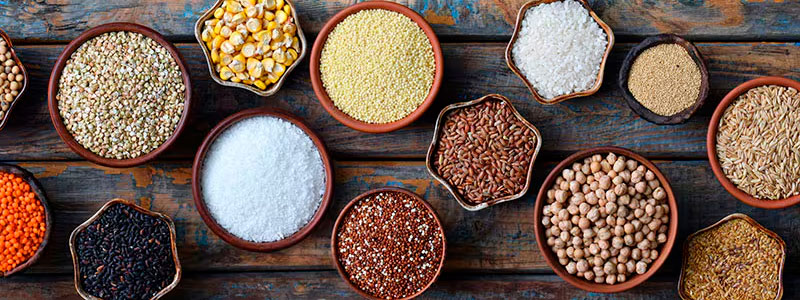
Avoid highly refined carbs (white bread, sweets, sugary drinks) that spike blood sugar quickly. Choose complex, fiber-rich carbs like:
Quinoa, oats, barley, brown rice
Lentils, chickpeas, and legumes
Green leafy vegetables
- Glycemic Load (GL) takes into account both the GI and portion size—helping you make even smarter choices.
How Much Protein Do I Need?
People with diabetes often lose muscle mass. Protein is crucial for strength, immunity, and glucose regulation.
Recommended Sources:

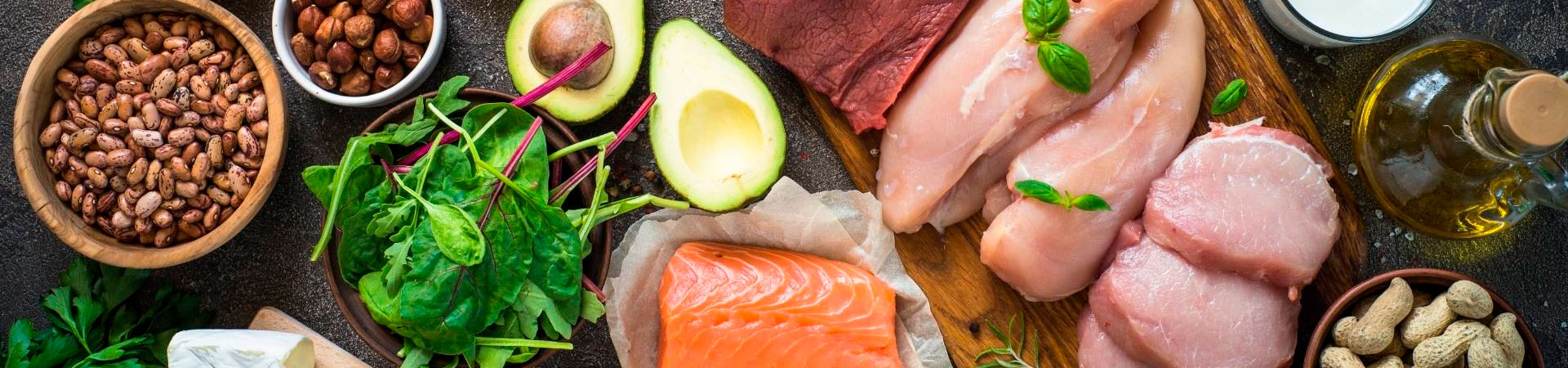
Eggs, yogurt, chicken, tofu, nuts, lentils, cottage cheese
For vegetarians: Chickpeas, quinoa, seeds, and soy
- Include protein in every meal to stabilize blood sugar and reduce hunger.
- People with kidney issues should consult a doctor about protein limits.
How Much Oil Is Okay? What’s the Best Type?
Fats aren’t your enemy – bad fats are.
- Avoid trans fats and saturated fats (fast foods, fried snacks, baked goods)
- Choose unsaturated fats:
Olive oil, avocado, flaxseed
Walnuts, fatty fish (like salmon)
- Use a mix of MUFAs and PUFAs for heart-healthy benefits. Healthy fats improve insulin response and hormone balance.
Why Is Fiber a Big Deal?
Fiber plays a huge role in regulating blood sugar, gut health, and even weight.
Types of Fiber:
Soluble Fiber:
Slows glucose absorption (found in oats, apples, flaxseed)
Insoluble Fiber:
Promotes bowel health (found in whole grains, vegetables)
Fiber-rich foods improve gut bacteria, reduce LDL cholesterol, and increase satiety.
- Aim for 25–30 grams per day, and drink plenty of water to prevent bloating.
What About Vitamins and Minerals?
Micronutrients like magnesium, chromium, and vitamin D help regulate insulin and glucose metabolism.
Magnesium:
Pumpkin seeds, almonds, spinach
Chromium:
Broccoli, oats, egg yolks
Vitamin D
Fortified dairy, sunlight, fatty fish
- Uzbekistan's data (2019) shows high vitamin D deficiency in infants—so supplementation may be needed.
- Only take supplements with a doctor’s advice, especially if you have comorbidities.
How Do I Control Portions & Timing?
Even healthy foods can spike sugar if eaten in excess.
Follow the Plate Method:
- Half plate: Non-starchy vegetables
- One-quarter: Lean proteins
- One-quarter: Whole grains or complex carbs
Consistent Meal Timings Help:
- Prevent sudden sugar dips/spikes
- Improve medicine effectiveness
- Reduce cravings and night-time snacking
- Avoid eating too close to bedtime — have dinner 2-3 hours before sleep.