


Mental and Emotional Wellness
How Does Stress Affect Diabetes?
Chronic stress can lead to hormone imbalances that spike blood sugar levels. Managing stress is not a luxury—it’s a vital part of diabetes care.

- Deep breathing and guided meditation
- Yoga or light stretching
- Creative hobbies (art, gardening, music)
- Talking to a mental health professional
- Mental health matters. Don’t hesitate to seek help if you feel overwhelmed.
Why Is Sleep So Important for Diabetes Control?
Sleep and sugar control go hand in hand. Poor sleep can:
Increase insulin resistance
Raise stress hormone levels
Trigger unhealthy food cravings
Tips for Better Sleep:
Set a regular sleep-wake schedule
Avoid screens and caffeine before bed
Create a calm, dark, and quiet sleeping environment
Quit smoking and reduce alcohol intake

Preventive Care
How Often Should I Get Check-Ups?
Regular health monitoring helps prevent complications and fine-tunes treatment.
Key tests and frequency:
- Blood sugar: As advised by your doctor
- HbA1c: Every 3–6 months
- Eye exam: Yearly
- Foot check-up: Yearly or more if needed
- Kidney function test: Annually
- Monthly tests may be needed for people with unstable blood sugar levels. Your doctor will guide the best schedule based on your condition.
How Can I Prevent Diabetes-Related Complications?
Simple preventive actions go a long way:
Diabetic foot care:
Inspect feet daily for blisters or wounds
Neuropathy prevention:
Control blood sugar, avoid smoking, and wear protective footwear
- Nephropathy (kidney protection): Control blood pressure and blood sugar consistently
Lifestyle Choices
How Much Weight Should I Lose?
Even modest weight loss makes a big difference. Losing 5–10% of your body weight can:
Lower your blood sugar
Improve insulin sensitivity
Reduce the risk of heart and kidney disease
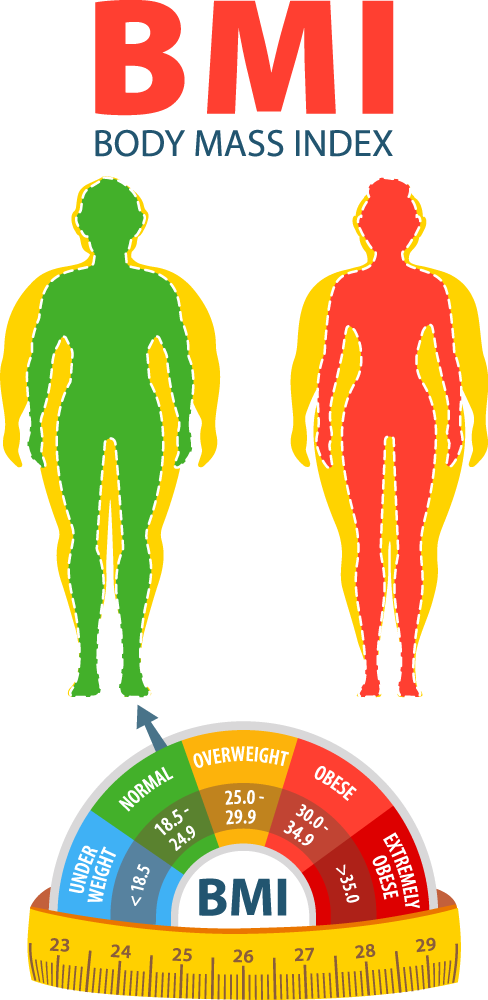
 BMI Calculator
Should I Quit Alcohol and Smoking?
Alcohol:
- Occasional drinking may be allowed, but heavy alcohol use is risky
- Alcohol can cause blood sugar spikes or dangerous drops, especially if you’re on medication
Smoking:
- Increases your risk for heart disease, nerve damage, and complications
- Quitting improves circulation, lung health, and insulin response
- Quitting harmful habits isn't just good advice—it's a core part of your diabetes management plan.