


Diabetes Overview
Diabetes is a long-term condition that affects how your body processes sugar (glucose) — one of your main energy sources. Contrary to popular belief, it doesn’t stop you from enjoying the taste of sweetness, but it does mean your body has trouble handling sugar properly.
At the center of this issue is insulin, a hormone made by the pancreas. Insulin helps move sugar from your bloodstream into your cells to be used for energy. When your body doesn’t produce enough insulin — or doesn’t use it well — glucose builds up in your blood instead of fueling your cells. This leads to high blood sugar levels (hyperglycemia).
What Happens When Blood Sugar Remains High?
High blood sugar doesn’t just sit idle in your body – it can quietly cause damage over time. Here are some common complications:
Bottom line? Keeping blood sugar levels in check is essential to living well with diabetes and preventing long-term complications.
What Are the First Signs of Diabetes?
Many early signs of diabetes are easy to miss or may seem like everyday issues. However, catching them early can make a big difference in how the condition is managed.
Common warning signs include:
- Excessive thirst
- Frequent urination (especially at night)
- Unexplained weight loss
- Fatigue or feeling tired all the time
- Blurry vision
- Cuts or wounds that heal slowly
- Important: In many rural or underserved areas, these symptoms are often overlooked or seen as temporary. If you or a loved one notices any of these, it’s best to consult a healthcare provider.
Diabetes Type
Knowing your diabetes type helps tailor the right treatment and lifestyle plan.
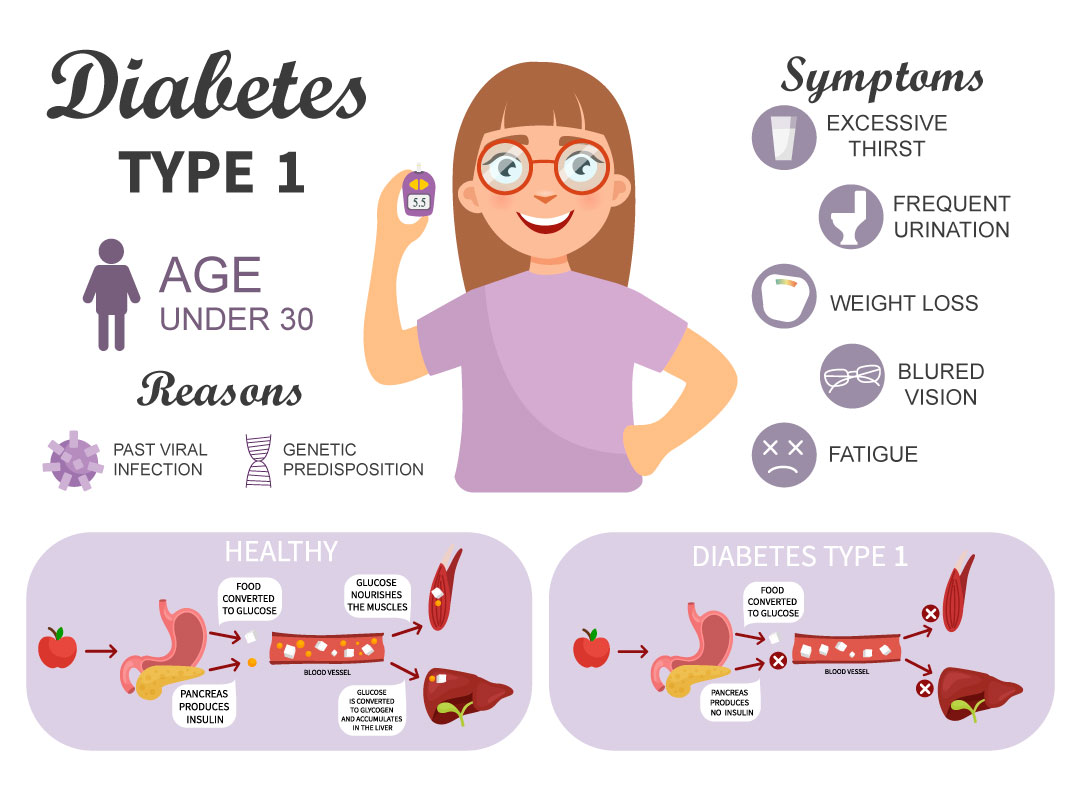
Type 1 Diabetes (T1D)
Type 2 Diabetes (T2D)
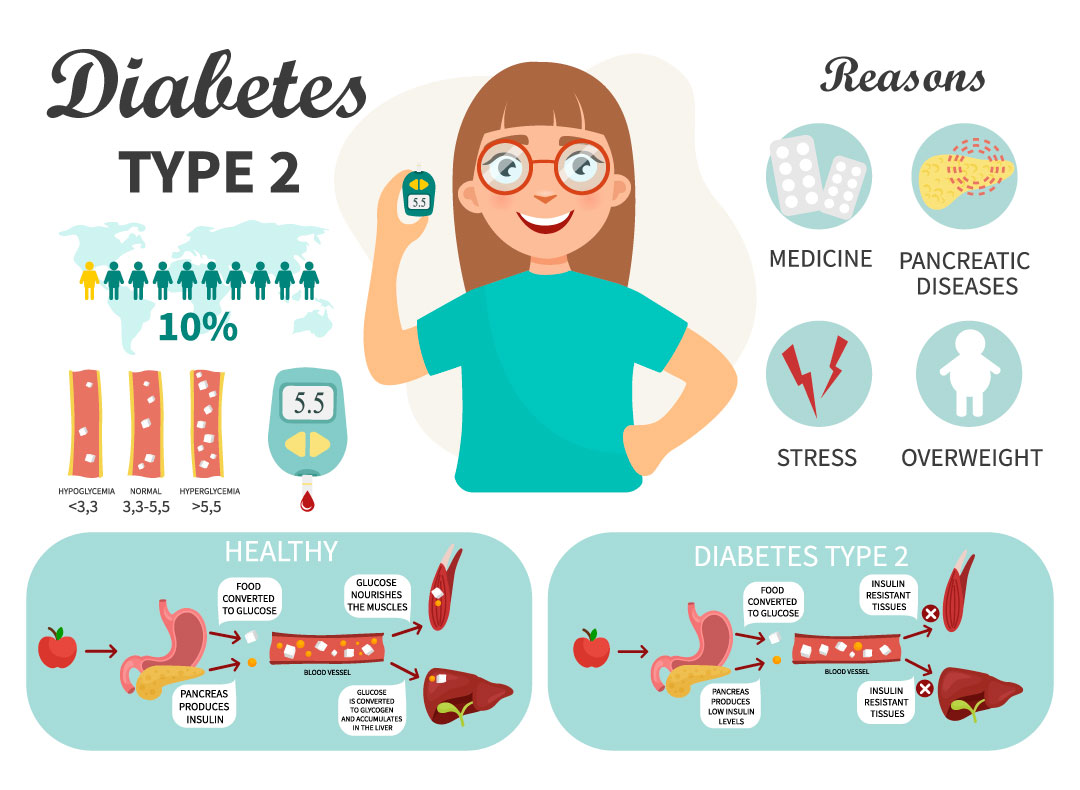
- Good news: With the right combination of medicine, healthy eating, and exercise, many people with T2D can manage - or even reverse - their condition.
Gestational Diabetes
Other Forms
Special Considerations: Culture & Care
What Are the Common Early Symptoms Among Uzbek Patients?
In Uzbekistan, the most frequently reported early signs of diabetes include:
- Excessive thirst
- Frequent urination (especially at night)
- Unexplained weight loss
- Fatigue or feeling tired all the time
- Blurry vision
- Cuts or wounds that heal slowly
- Many individuals - especially in rural areas - may ignore these signs, believing they are temporary or unimportant. However, early detection can prevent long-term complications. If you experience any of these symptoms, see a doctor without delay.
How Can I Adapt My Traditional Uzbek Diet for Diabetes?
You don’t need to abandon your cultural cuisine – just modify it! Focus on nutrient-rich, low-glycemic foods while enjoying the flavors you love.
Gestational Diabetes
- High-fiber vegetables: Cabbage, spinach, cucumbers
- Legumes: Lentils, chickpeas, kidney beans
- Grilled/barbecued meats (limit oil and salt)
- Whole grains like barley or brown rice
Limit These:
- White rice and fried items like somsa
- Sweetened tea and sugary desserts (chak-chak, halwa)
- Pro Tip: Practice portion control and try preparing traditional dishes in healthier ways - grilled instead of fried, and sugar-free alternatives for desserts.
What Lifestyle Changes Should I Make?

Small habits can make a big impact:
- Set a reminder to walk for 30 minutes daily - whether it’s in a park, courtyard, or your home
- Control portions and avoid overeating
- Reduce sugar - use herbal alternatives in tea
- Minimize oil in cooking
- Involve family - healthy food is more enjoyable when shared
Making these lifestyle shifts not only improves blood sugar control but also supports healthy weight and overall well-being.
How Often Should I Follow Up With My Doctor?
You don’t need to abandon your cultural cuisine – just modify it! Focus on nutrient-rich, low-glycemic foods while enjoying the flavors you love.
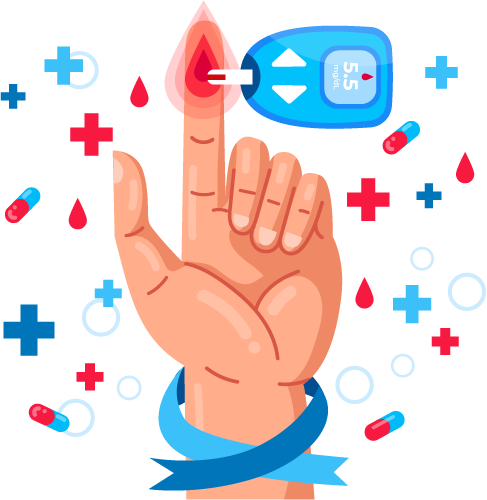
Regular check-ins are essential for managing diabetes effectively.
- Every 3 months if your sugar levels are stable
- Every month if your sugar levels are fluctuating
Your doctor will adjust medications based on your body’s response and help prevent over-prescription or side effects. Always discuss any new symptoms or concerns during your visit.
- Coming next: Prevention, mental wellness, and how physicians support your diabetes journey!