


Diabetes Prevention
Can I Prevent Diabetes?
Yes – while genetics play a role, your lifestyle plays a bigger one. You can significantly lower your risk with a few proactive steps:
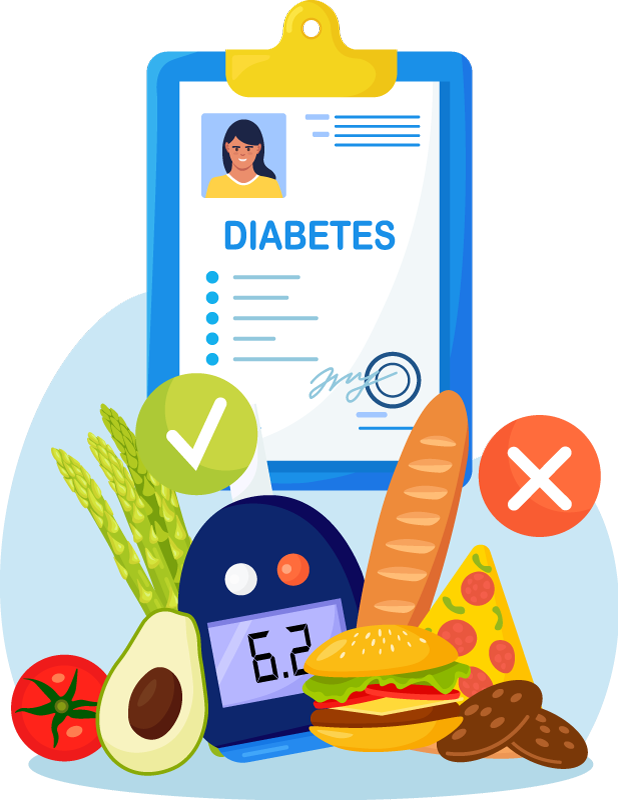
- Maintain a healthy weight
- Eat a balanced, nutritious diet
- Stay physically active
- Practice good sleep hygiene
- Manage stress
- Quit smoking & limit alcohol
- Monitor other conditions like cholesterol and high blood pressure
What Is a Nutritious Diet for People with Diabetes?
Healthy eating doesn’t mean giving up everything you love—it’s about making smarter choices:
Focus on:
Limit:
How Do I Manage Diabetes Day to Day?
Managing diabetes doesn’t require big changes overnight – it’s about small, consistent efforts:
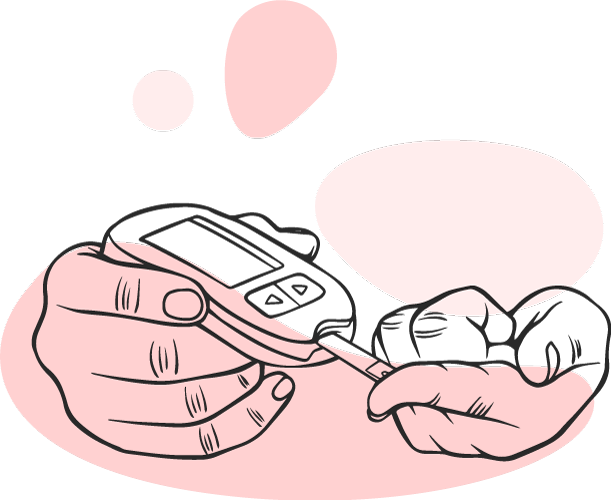
- Monitor blood sugar regularly to track progress
- Move daily: Even a 30-minute walk helps tremendously
- Take medications as prescribed
- Eat smart: Cut down carbs, increase protein and fiber
- Manage stress: Try deep breathing, hobbies, or meditation
- Sleep well: Regular sleep supports metabolic health
- Bonus Tip: Alternative therapies like yoga and breathing exercises can be great complementary tools—but never replace your prescribed treatment.
How Often Should I See My Doctor?
Your doctor is your co-pilot in managing diabetes. Here’s how often to check in:
Monthly visits
-
early on or when blood sugar is unstable
Every 3–6 months
-
once sugar levels are stable
Gestational diabetes
-
monthly visits or as advised
Prediabetes
-
annual or 6-monthly follow-ups
These visits help ensure your medication is working and that you’re not at risk of complications.
Can I Ever Reverse or Get Rid of Diabetes?
While there’s no universal cure, remission is possible – especially in early-stage Type 2 diabetes.
Recent studies show that with consistent medication, a balanced diet, weight loss, and regular exercise, blood sugar levels can return to near-normal and remain that way.
At Serene Diabetes Care, we’re with you every step of the way.
Diabetes doesn’t have to limit your life. With the right support and effort, you can thrive.
Management & Role of Physicians & Compliance
How Do Primary Care Physicians Help with Early Diagnosis?
Your local doctor or health worker is often the first to spot diabetes. They look for:

- Skin changes
- Gum problems
- Sudden weight loss or muscle thinning
- Family history or obesity
- Simple blood sugar and blood pressure tests can detect early signs. Early diagnosis = better chances of reversal with minimal medication.
How Can I Explain Diabetes to My Elderly Parents?
Explaining diabetes to elders can be challenging, especially if they resist change. Use simple, relatable explanations:
- “Think of your blood as syrupy when sugar is high. It flows slowly and harms the body.”
Tips to help them understand:
- Use visuals and color-coded diet charts
- Share anecdotes in Uzbek or Russian
- Request your physician to counsel them directly
- Empower them with knowledge, not fear. The goal is understanding and cooperation, not compliance through pressure.

My diabetes is under check, why do I still need to keep visiting my doctor?
Your physician needs to check your blood sugar levels every 6 months even if you are maintaining a consistently optimal blood sugar levels. Because diabetes is a hormonal disorder, sudden drops and peaks are not uncommon. Your doctor will adjust your medication dosage such that you are not having higher doses than necessary and to avoid any sudden fall or rise in your blood sugar.
Further, follow-ups are necessary to enable your doctor in checking your overall health status and the risk for diabetes-associated complications. Your check-ups will include examination of your feet, blood pressure, review of medications, and diet and exercise related advise and revisions.