


Tips for Daily Living
Practical Daily Tips
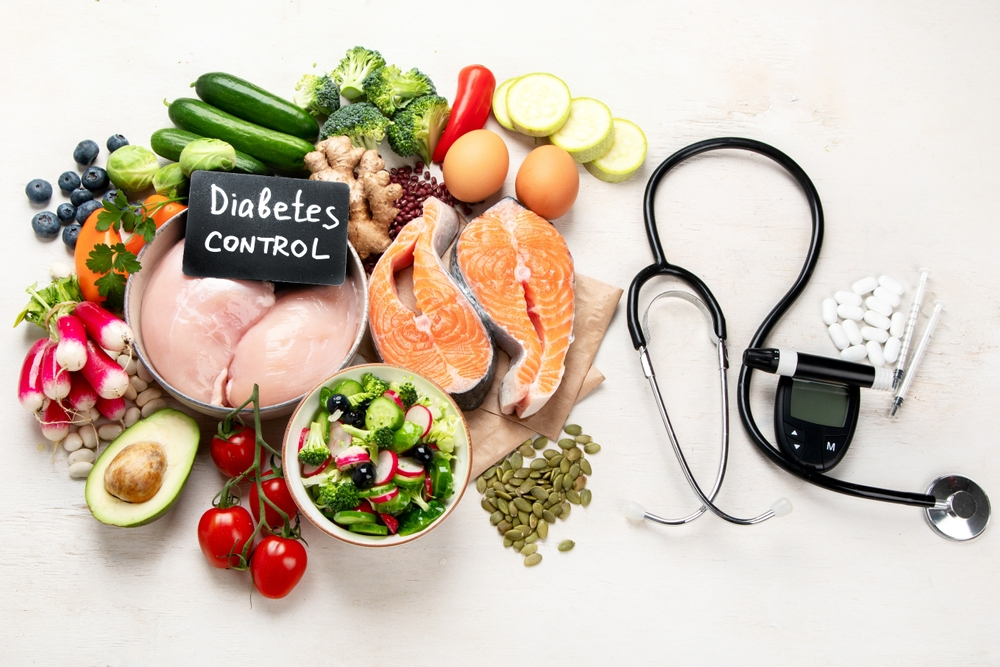
Here’s your quick reference for healthy living with diabetes:
- Eat smart: Balanced diet and portion control
- Stay active: Daily movement and strength training
- Manage weight: Maintain healthy BMI
- Ditch harmful habits: Quit smoking and reduce alcohol
- Stick to the plan: Take meds on time and attend regular follow-ups
Alternative Therapy
Complementary options can enhance your diabetes care — if used wisely.
Well-accepted options include:

Yoga and meditation

Herbal remedies
(e.g., fenugreek, bitter melon)
- These should never replace medications.
- Studies show that combining lifestyle changes, medications, and alternative practices can support diabetes remission.
Always consult your doctor before starting any herbal remedy or therapy to avoid drug interactions or side effects.
Smart Travel Tips
Should I Plan Ahead If I Travel Often?
Yes! Smart planning ensures sm ooth and safe travel for people with diabetes.
Schedule a pre-travel appointment with your doctor
Improves heart health
Adjust medication/insulin if needed
Get a doctor’s letter outlining your care plan and medical supplies
Check healthcare facilities at your destination, especially if it's remote
What Should I Pack?
Pack a dedicated diabetes travel kit that includes:

- Medications (oral, insulin, glucagon kit)
- Blood sugar supplies (meter, test strips, lancets, CGM sensors)
- Fast-acting carbs (glucose tablets, juice, candy)
- Medical ID bracelet •
- Cooling pouch for insulin
- Doctor’s letter and insurance documents
- Wear comfortable shoes and lightweight, breathable clothes, especially in hot climates.
- Studies show that combining lifestyle changes, medications, and alternative practices can support diabetes remission.
- What Precautions Should I Take During Travel?
What Precautions Should I Take During Travel?
- Stick to your meal schedule as much as possible
- Request diabetic/low-carb meals when flying
- Drink plenty of water; avoid sugary drinks and alcohol
- Adjust your medication timing if changing time zones - consult your doctor
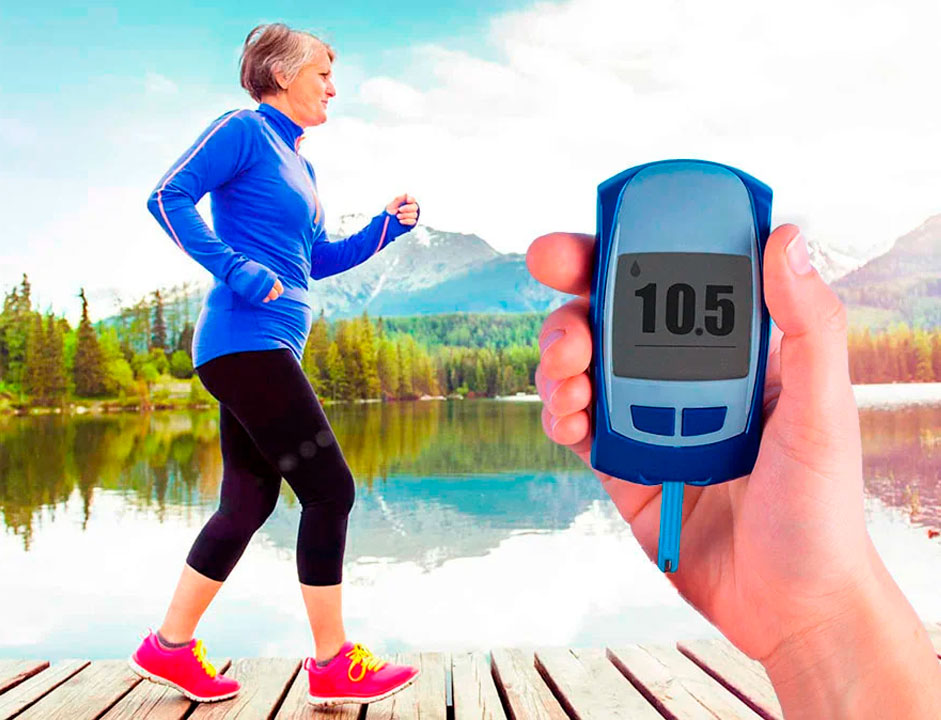
- Stretch or walk during long flights or drives to avoid blood clots
- Monitor blood sugar regularly—new foods, activity levels, or stress can affect it
Emergency Prep While Abroad
Know the nearest hospital or clinic
Save emergency numbers: your doctor, local services, and a family contact
Learn key phrases in the local language: “I have diabetes,” “I need sugar,” or “I need a doctor”
Sick Days
Why Are Sick Days Risky?
Illness triggers stress hormones (like cortisol) that raise blood sugar. Even a cold or flu can make diabetes harder to manage.
Possible complications:
Hyperglycemia
blood sugar spikes
Ketoacidosis (DKA)
common in Type 1 diabetes
Dehydration and electrolyte loss
Hypoglycemia
if you're not eating well
How Should I Manage Diabetes When I’m Ill?
- Don’t skip meds or insulin - your body still needs them, even if you eat less.
Sick Day Strategies:
Monitor blood sugar every 4 hours
Stay hydrated with water, broth, or sugar-free electrolyte drinks
Eat easy-to-digest foods (soups, crackers, applesauce)
Take carbs if your sugar drops
Your Sick Day Checklist
Glucose meter + test strips
Ketone strips
Fast-acting carbs
Medications + insulin
Thermometer
Hydration drinks
Emergency contact info
When Should I Call the Doctor?
Call your healthcare provider if you:
- Have diarrhea for more than 6 hours
- Blood sugar >250 mg/dL despite medication
- Moderate or high ketone levels
- Show signs of DKA (fast breathing, fruity breath, confusion)
- Experience extreme thirst or dry mouth

Quick Sick Day Do’s and Don’ts
- Do:
- Continue monitoring your blood sugar
- Stay hydrated
- Take your meds
- Call your doctor if things worsen
- Don’t:
- Stop insulin/meds without medical advice
- Ignore severe symptoms
- Take random OTC drugs
- Skip meals or hydration
- Staying Safe During Travel and Illness
Prevention is better than crisis. Here’s how to be ready:
- Stay up to date on flu and pneumonia vaccines
- Review your sick day plan annually with your doctor
- Pack a complete travel and sick day kit
- Maintain hygiene to reduce infection risk
Being prepared ensures you can enjoy life—whether you’re home, abroad, or under the weather.